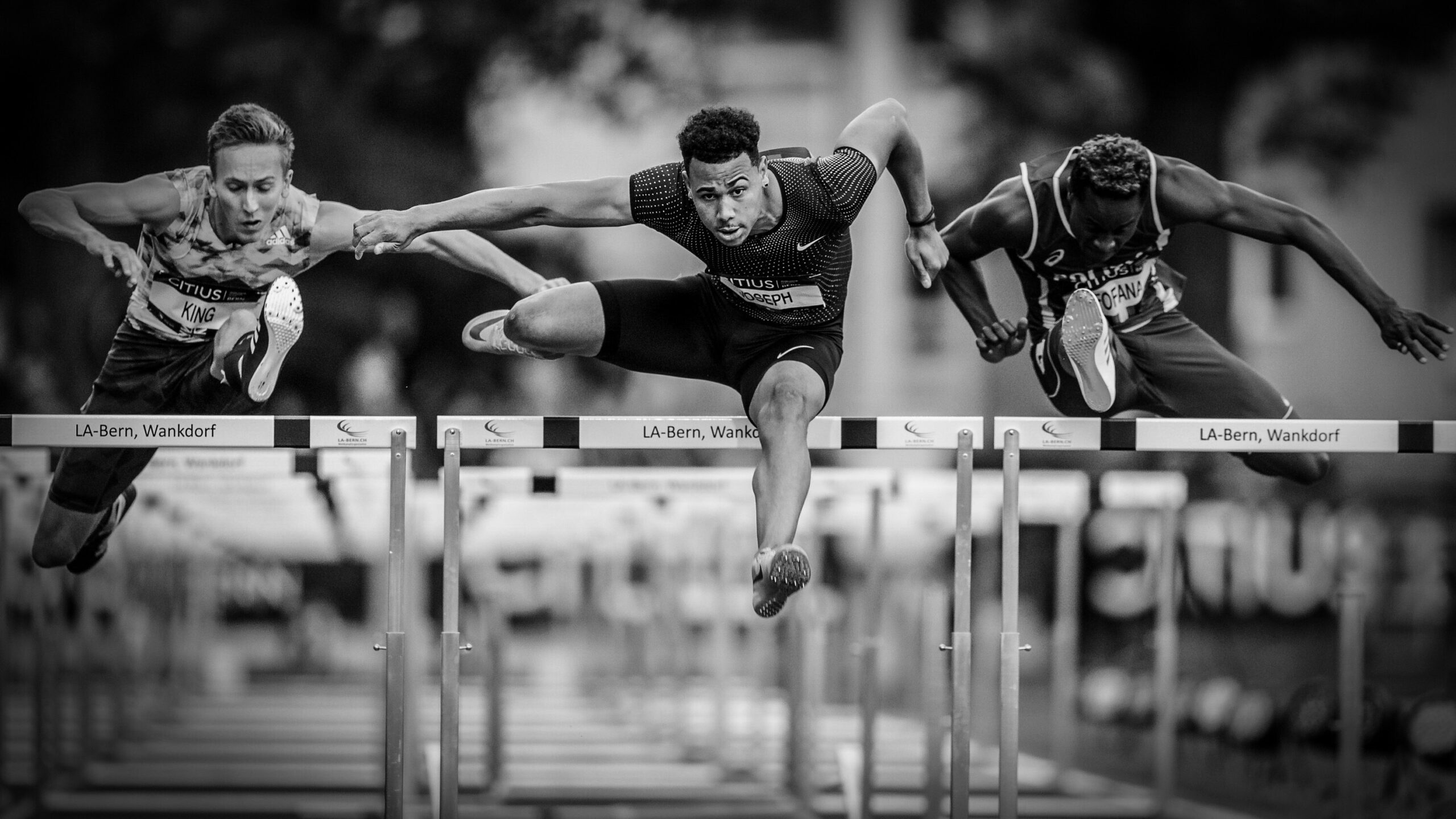
Training is only half the story — the other half happens afterwards. Recovery after training is when your body repairs muscle fibres, restores energy stores and comes back stronger. What and when you eat and drink after effort determines how fresh you’ll be for your next session. This guide explains how to speed up recovery after a race or hard training session.
Why recovery is half the progress
Progress isn’t the result of the training itself, but of the adaptation that follows. During recovery your body rebuilds spent glycogen, repairs micro-damage in the muscles and strengthens tissue. Without the right nutrition, the training effect shrinks and fatigue accumulates — eventually leading to stagnation or overtraining.
The recovery window
In the first 0–2 hours after effort, your body is most receptive to nutrients: muscles store glycogen and take up protein more efficiently. The window isn’t as narrow as once thought, but eating sooner is worthwhile — especially if your next session is soon.
Protein: how much and when
To rebuild muscle after effort, take in 20–40 g of high-quality protein (around 0.3 g per kg of body weight). Whey protein absorbs quickly and is ideal right after training — for example Recovery Protein. Through the day, top up with a daily protein.
Restoring glycogen with carbohydrate
Alongside protein, your body needs carbohydrate after effort to restore glycogen. If you have little time until the next effort, aim for 1–1.2 g carbs/kg per hour in the first hours and combine it with protein — the combination speeds up restocking.
Hydration and electrolytes after effort
Replace the fluid you lost. A rough guide: about 1.25–1.5 litres per kilogram of body weight lost, ideally with electrolytes, since sweat also costs you sodium and other minerals. Rehydration is an often-underrated part of recovery.
Overnight recovery
A large share of recovery happens during sleep. To supply muscles with amino acids through the night, a slow-digesting casein protein before bed is ideal — Night Protein feeds the body steadily overnight. Quality sleep is itself one of the most powerful recovery tools.
Amino acids and glutamine
Amino acids support repair and the immune system, often weakened after hard efforts. Amino Shot delivers a fast dose of amino acids, while L-glutamine further supports the natural recovery process.
A practical post-effort plan
- 0–30 min: a protein-and-carbohydrate drink (e.g. Recovery Protein) plus fluid with electrolytes.
- Within 2 hours: a balanced meal with protein and carbohydrate.
- Through the day: adequate hydration and regular protein.
- Before bed: a casein (night) protein.
Frequently asked questions
How much protein should I take after training?
Around 20–40 g of high-quality protein (0.3 g/kg of body weight), ideally in the first hours after effort.
Do I need to eat immediately after effort?
Not necessarily in the first minutes, but sooner is beneficial, especially if your next session follows soon.
Why casein before bed?
Casein digests slowly and feeds the muscles amino acids steadily overnight.
How much should I drink after effort?
About 1.25–1.5 litres of fluid per kilogram of body weight lost, with added electrolytes.
Support your recovery
Faster recovery means more quality training. Find everything for after effort in the Recovery category.
Related guides
General guidance; individual needs vary — test your strategy in training.